
 By fitnessteam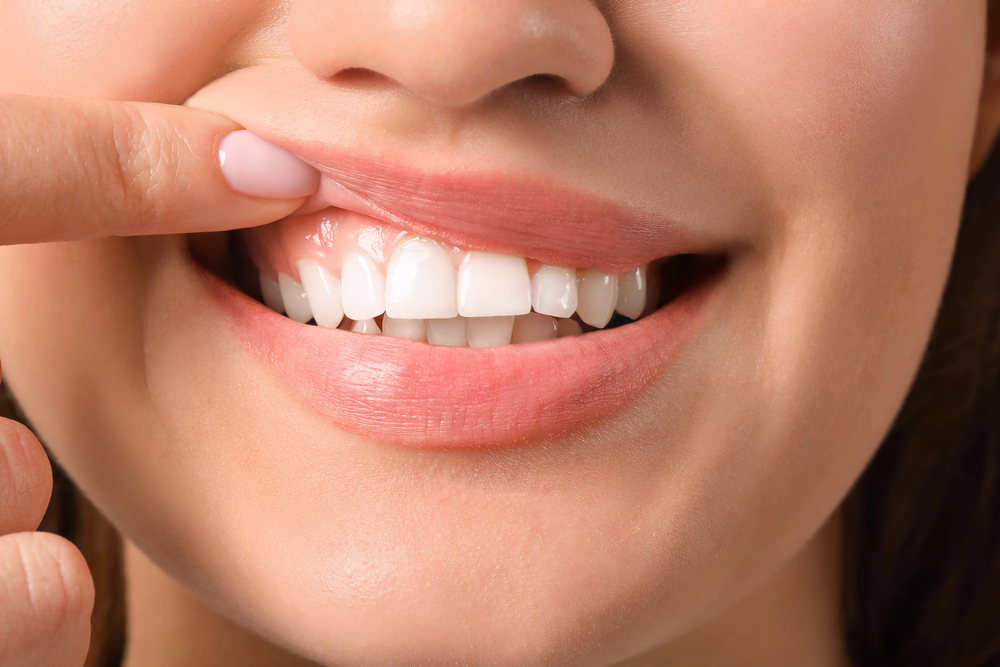
In contemporary dentistry, aesthetic refinement and preventive health are no longer separate ambitions—they are converging into a single, more intelligent philosophy of care. At the center of this shift lies an emerging synergy between cosmetic precision and biological stewardship, a relationship exemplified by gum contouring and its evolving role in maintaining optimal dental health. What was once viewed primarily as a cosmetic enhancement is now being reconsidered as part of a broader preventive strategy that influences periodontal stability, oral hygiene behavior, and long-term tissue health.
Gum tissue has traditionally been treated as a passive frame for teeth, an aesthetic boundary whose shape mattered mainly for smile symmetry. However, modern periodontal science increasingly recognizes the gingiva as a dynamic biological system—responsive, adaptive, and deeply connected to both microbial ecology and mechanical cleaning efficiency. Within this context, gum contouring is no longer just about reshaping a smile line; it is about recalibrating the interface between tooth, gum, and oral environment.
At its core, gum contouring involves the controlled reshaping of gingival margins to create a more balanced and harmonious gum line. This may include removing excess tissue in cases of gingival overgrowth or re-establishing symmetry where recession or uneven development has occurred. While aesthetic outcomes are immediately visible, the deeper implications lie beneath the surface. When performed thoughtfully, gum contouring can reduce periodontal pocket irregularities, improve access for daily cleaning, and minimize areas where plaque biofilm tends to accumulate. These functional benefits are central to maintaining optimal dental health, especially in patients predisposed to gingival inflammation or early periodontal disease.
The synergy emerges when aesthetic dentistry begins to align with preventive intent. A well-contoured gum line is not only visually pleasing but also structurally efficient. Irregular gingival architecture can create micro-environments where bacteria thrive undisturbed, particularly in recessed or overhanging tissue folds. By reshaping these areas, clinicians effectively simplify the oral landscape, allowing brushing and interdental cleaning to become more effective. In this sense, gum contouring acts as a form of environmental design—reorganizing biological terrain to support health rather than hinder it.
This integration reflects a broader transformation in dental philosophy. Instead of treating disease after it appears, or enhancing appearance in isolation, modern approaches seek to unify form and function. Gum contouring sits at this intersection, where aesthetic dentistry becomes a preventive tool and preventive care becomes inherently aesthetic. Patients increasingly experience this dual benefit not as separate procedures but as a single coherent improvement in both appearance and oral resilience.
Another important dimension of this synergy is the psychological effect of improved gingival aesthetics on patient behavior. When individuals perceive their smile as healthier and more balanced, they are often more motivated to maintain it. This includes more consistent brushing habits, better flossing compliance, and greater engagement with routine dental visits. In this way, gum contouring indirectly supports maintaining optimal dental health by reinforcing positive behavioral loops. The visual reward of a refined gum line becomes a sustained incentive for long-term care.
Technological advancements have also strengthened this relationship. Precision-based tools in periodontal therapy allow for minimally invasive reshaping, reducing trauma to surrounding tissues and supporting faster healing. This has shifted gum contouring from a procedure once associated with significant recovery to one that can often be integrated seamlessly into comprehensive dental treatment plans. As a result, clinicians can now address both aesthetic concerns and preventive needs in a single coordinated intervention.
Yet, the most profound shift is conceptual rather than technological. Dentistry is increasingly recognizing that oral health cannot be separated into isolated categories of “cosmetic” and “clinical.” The gums, in particular, embody this unity. Their shape influences hygiene; their health influences aesthetics; and their management influences systemic outcomes. Gum contouring, when approached responsibly, becomes a demonstration of this interconnectedness.
Of course, this synergy requires clinical discernment. Over-treatment or purely cosmetic decision-making without periodontal assessment can compromise tissue integrity. The goal is not to standardize every gum line into a uniform aesthetic ideal, but to enhance each patient’s natural anatomy in a way that supports biological stability. In this framework, gum contouring is not an act of alteration alone, but one of restoration and optimization.
Looking forward, the integration of cosmetic dentistry and preventive care is likely to deepen further. As research continues to explore the relationship between gingival morphology, microbial balance, and long-term dental outcomes, procedures like gum contouring will increasingly be evaluated not only by their visual results but by their contribution to systemic oral health. This represents a shift toward a more holistic dental model—one where beauty and biology are not competing priorities but mutually reinforcing goals.
In this new era of preventive dental aesthetics, gum contouring stands as a symbol of convergence. It reflects a growing understanding that the most sustainable smiles are not simply the most beautiful, but the most intelligently maintained. By aligning structural refinement with biological function, dentistry moves closer to a future where achieving aesthetic harmony naturally supports maintaining optimal dental health, rather than existing as a separate pursuit.