
 By fitnessteam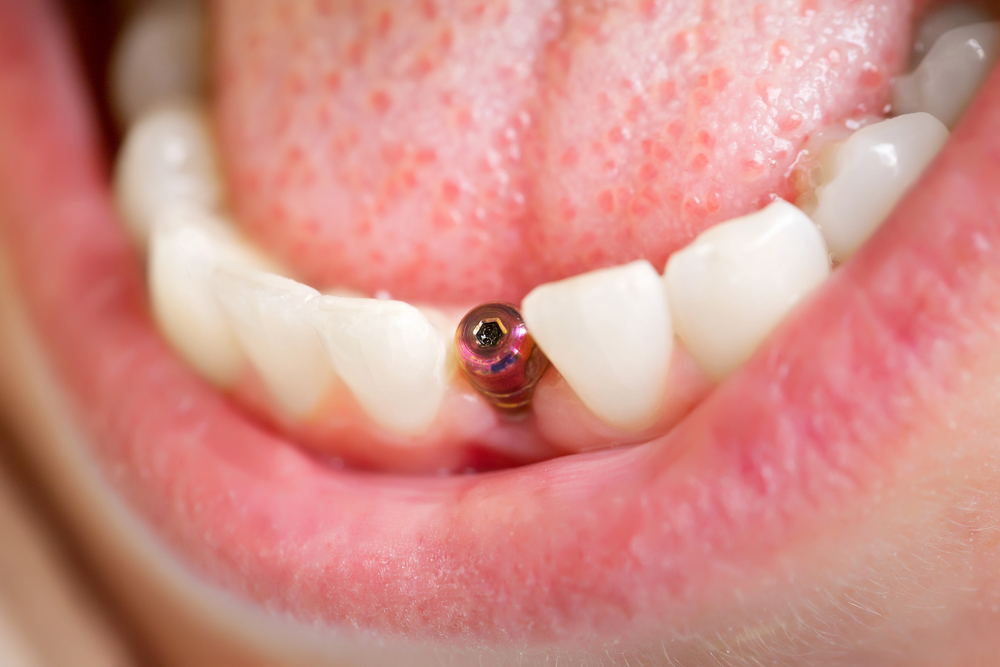
In contemporary oral healthcare, few advancements have reshaped patient expectations as profoundly as dental implants. Across Australia, implant dentistry is no longer viewed as a purely restorative intervention; it has evolved into a sophisticated intersection of biomedical engineering, aesthetics, and lifestyle enhancement. What was once a procedure associated with loss and limitation is now reframed as a long-term investment in function, confidence, and quality of life. This transformation reflects not only technological progress but also a cultural shift in how Australians perceive oral health—less as maintenance, and more as integral to identity and wellbeing.
At the core of this evolution lies advanced oral care science. Modern dental implants are engineered through precision-driven processes involving biocompatible titanium or zirconia fixtures that integrate with the jawbone via osseointegration. This biological fusion creates a stable foundation that mimics the function of natural tooth roots. Unlike removable dentures, implants restore masticatory efficiency and preserve bone density by stimulating the jaw during chewing. The scientific refinement of surface treatments, 3D imaging, and guided surgical placement has significantly improved success rates, making implants one of the most predictable procedures in contemporary dentistry.
Beyond the biological mechanics, implant dentistry has become a design discipline. Prosthetic crowns are now digitally sculpted to replicate natural translucency, occlusion, and contour. This level of personalization is particularly important in full-arch rehabilitation, where multiple missing teeth are replaced in a cohesive structure. One of the most significant innovations in this space is the emergence of the implant bridge, a fixed solution that spans multiple implants to support a series of artificial teeth. Unlike traditional bridges that rely on adjacent natural teeth for support, an implant bridge distributes occlusal forces directly through implanted anchors. This not only preserves surrounding teeth but also enhances long-term structural integrity. For patients, it means a restoration that feels stable, natural, and indistinguishable from their original dentition.
The psychological dimension of implant treatment is equally significant. Patients often report a renewed willingness to engage socially, speak confidently, and enjoy unrestricted diets. This is where dentistry transcends mechanics and becomes deeply human. The ability to chew without hesitation or smile without self-consciousness redefines everyday experiences—from shared meals to professional interactions. In this sense, implants do not merely replace teeth; they restore participation in life’s simplest and most meaningful rituals.
In major urban centres, particularly in Melbourne, dental implantology has reached an especially high level of refinement. Melbourne has emerged as a global hub for clinical excellence in implant dentistry, driven by a convergence of academic research, specialist training programs, and adoption of cutting-edge digital workflows. Clinics in the city increasingly integrate CBCT scanning, computer-guided surgery, and CAD/CAM prosthetics to deliver highly accurate, minimally invasive outcomes. This concentration of expertise has positioned Melbourne as a reference point for best practice standards in the Asia-Pacific region and beyond.
The rise of implants also reflects broader lifestyle shifts within Australian society. As populations age yet remain active longer, there is growing demand for durable dental solutions that align with dynamic lifestyles. Whether it is maintaining a professional appearance in competitive industries or supporting nutritional freedom for health-conscious individuals, implants are aligned with modern expectations of resilience and longevity. They also fit seamlessly into preventive healthcare philosophies that prioritize long-term stability over short-term fixes.
Equally important is the economic and practical consideration. While implant procedures require a higher initial investment than conventional prosthetics, their durability often reduces the need for repeated replacements or adjustments. Over time, this can translate into greater cost efficiency and fewer clinical interventions. Patients increasingly view implants as a lifetime solution rather than a temporary correction, reinforcing their value proposition within the broader healthcare ecosystem.
As digital dentistry continues to evolve, the future of implants will likely become even more personalized and regenerative. Research into biomimetic materials, accelerated healing protocols, and AI-assisted treatment planning suggests that the next generation of implant care will be even more precise and patient-specific. This trajectory reinforces the idea that dental restoration is no longer reactive—it is anticipatory, adaptive, and deeply integrated into overall health strategy.
Ultimately, dental implants represent more than a technological achievement. They signify a redefinition of oral health as a cornerstone of lifestyle quality. In Australia, and particularly in innovation-driven cities like Melbourne, implant dentistry continues to blur the line between medical necessity and life enhancement. Through innovations such as the implant bridge and the broader application of digital dentistry, patients are no longer simply restoring what was lost—they are upgrading how they live, eat, speak, and connect with the world.