
 By Dianne Williams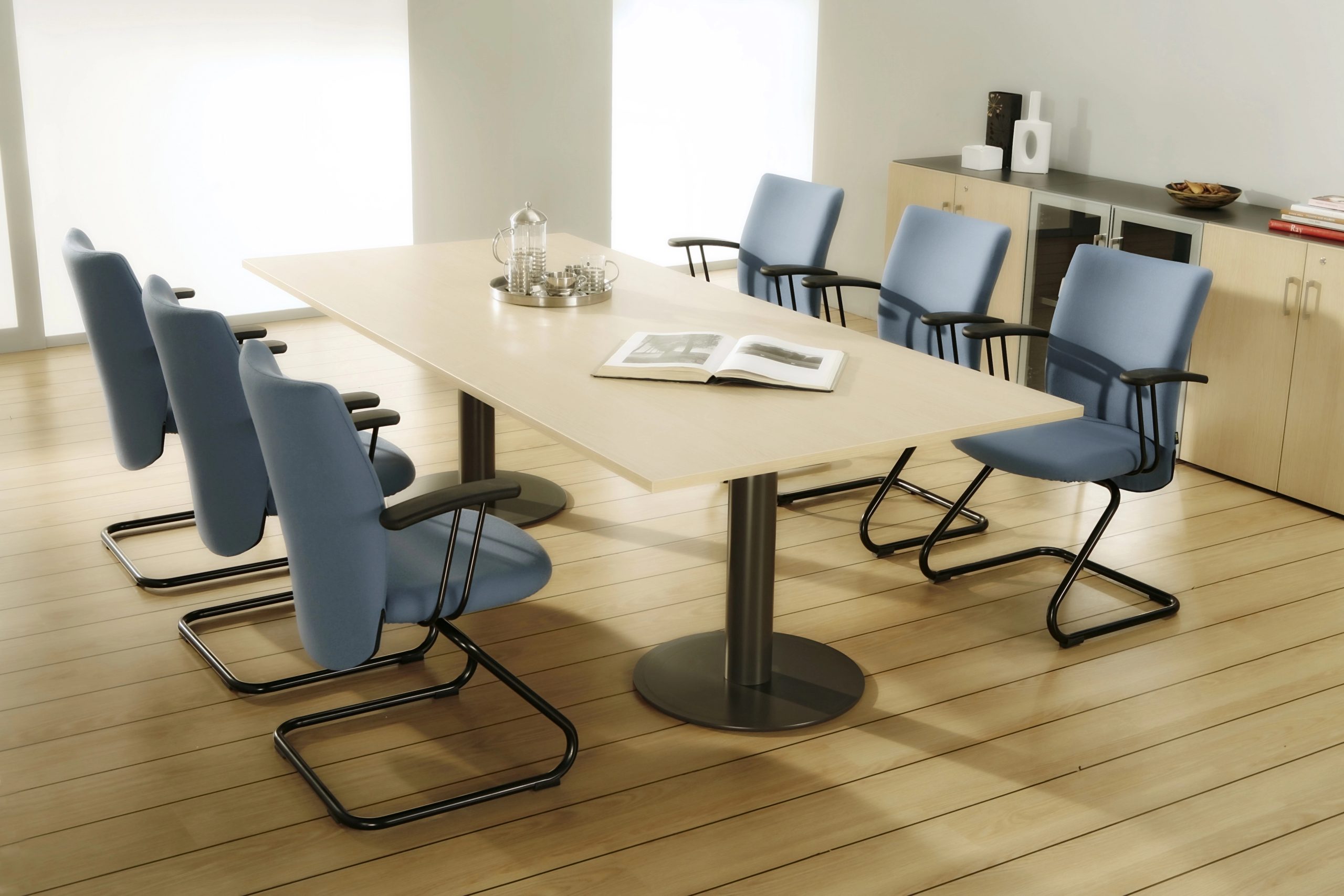
When you think of fitness equipment, your mind likely jumps to expensive gym memberships, bulky treadmills, or sets of iron dumbbells. However, some of the most effective tools for building strength and improving flexibility are already sitting in your home. Your dining room, often reserved for family meals and evening conversations, can easily double as a boutique fitness studio. Utilizing furniture for resistance and stability allows you to squeeze in a workout without leaving the house, turning your living space into a functional training zone.
Gravity and the Dining Table
The central piece of any dining room is the table, and its primary value in fitness is its height and stability. Because most tables sit at a standard waist height, they provide the perfect platform for incline and decline movements. By placing your hands on the edge of the table and stepping your feet back, you can perform incline push-ups. This variation is excellent for targeting the lower chest and building the foundational strength necessary for floor-based push-ups.
Conversely, for those looking for a more intense challenge, placing your feet on the table while keeping your hands on the floor creates a decline push-up. This shifts the weight to your shoulders and upper pectoral muscles. Because you are working with a piece of furniture as substantial as a nice heavy wooden Sydney dining table, you don’t have to worry about the surface sliding or tipping while you exert force. The sheer mass of solid timber provides a level of security that flimsy, portable equipment simply cannot match.
Lower Body Conditioning with Seating
While the table handles the upper body, your dining chairs are the ultimate tool for leg day. Squats are the king of lower body exercises, but many people struggle with depth and form. Using a chair as a tactile cue—commonly known as a “box squat”—ensures that you are sitting back into your heels and hitting the correct height every time. Simply lower your hips until they graze the seat, then explode upward.
For those ready to level up, the Bulgarian split squat is highly effective. Stand a few feet in front of a chair and rest the top of your back foot on the seat. As you lunge down with your front leg, the elevated rear foot forces your quads and glutes to work in isolation. This single-leg movement improves balance and addresses muscular imbalances that often go unnoticed during traditional bilateral squats.
Tricep Dips and Core Stability
The edge of a sturdy chair or the side of the table is also perfect for tricep dips. By facing away from the furniture and placing your palms on the edge, you can lower your body toward the floor, keeping your elbows tucked in. This specifically targets the back of the arms. To increase the difficulty, extend your legs straight out in front of you; to make it easier, keep your knees bent at a ninety-degree angle.
Core work is equally accessible. You can perform “mountain climbers” by gripping the edge of the table and driving your knees toward your chest in a running motion. The incline reduces the strain on your wrists compared to floor work, allowing you to focus entirely on abdominal contraction. You can also perform seated leg raises while sitting on a chair, lifting your knees toward your chest to engage the lower abs while maintaining an upright, tall posture.
Safety and Weight Limits
Before you begin your domestic fitness journey, it is vital to assess the structural integrity of your furniture. Not all items are built to withstand the lateral forces or concentrated weight of a human workout. While high-end, handcrafted timber pieces are generally immovable, mass-produced items may require a more cautious approach. You might wonder if furniture from Kmart could handle the strain, as lightweight materials like hollow-core MDF or thin metal legs can buckle under high-impact movements. Always test the stability of a piece by applying pressure before committing your full body weight to it.
Creating a Routine in the Heart of the Home
The beauty of furniture-based exercise is the lack of “friction” between the idea of working out and the act itself. You can perform a circuit while waiting for the kettle to boil or during a television commercial break. A simple routine might include ten incline push-ups against the table, fifteen box squats on a chair, and thirty seconds of mountain climbers using the table’s edge. By repeating this circuit four times, you achieve a full-body workout in less than twenty minutes. Your dining table is no longer just a place for dinner; it is a versatile partner in your journey toward a healthier, stronger lifestyle.