
 By fitnessteam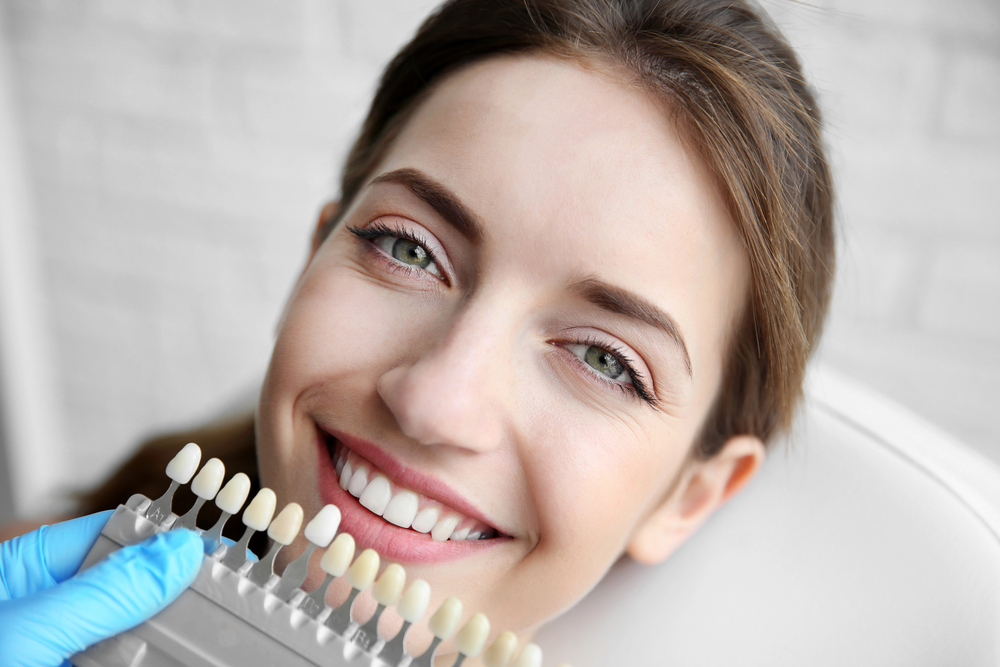
Modern wellness is no longer defined solely by physical strength, body composition, or athletic performance. Increasingly, people are recognizing that true health is holistic, encompassing everything from nutrition and mental wellbeing to sleep quality and oral health. Within this broader wellness movement, the smile has emerged as a surprisingly powerful indicator of self-care. For fitness enthusiasts and health-conscious individuals, the pursuit of a healthier lifestyle often extends beyond the gym and into the dental chair, where treatments such as porcelain veneers are becoming part of a comprehensive approach to personal wellbeing.
At first glance, cosmetic dentistry and fitness may seem like unrelated worlds. One focuses on physical conditioning, while the other addresses the appearance and function of teeth. Yet both share a common goal: helping individuals feel confident, healthy, and capable of presenting the best version of themselves. The connection between these disciplines reveals an intriguing truth about modern wellness—appearance and function are often intertwined.
Fitness culture has evolved significantly over the past decade. What was once centered on aesthetics alone has shifted toward performance, longevity, and sustainable health habits. People now seek routines that improve quality of life rather than merely producing visible results. Oral health fits naturally within this philosophy because a healthy mouth contributes to overall wellbeing in measurable ways.
For example, oral health affects nutrition. Individuals with damaged, worn, or sensitive teeth may avoid certain foods, particularly crunchy fruits, vegetables, and protein-rich options that support fitness goals. A comfortable, functional smile can encourage healthier dietary choices and improve eating experiences. Likewise, maintaining fresh breath can enhance social interactions, professional confidence, and personal relationships, all of which contribute to emotional wellness.
The growing interest in porcelain veneers reflects this broader understanding of health. While veneers are often associated with cosmetic improvements, their impact can extend beyond appearance. By addressing issues such as chipped teeth, uneven spacing, discoloration, or minor misalignment, veneers can help create a smile that looks healthier and feels more harmonious. For many individuals, this transformation provides a psychological boost comparable to reaching a fitness milestone.
Confidence plays a remarkable role in human behavior. Research consistently shows that people who feel confident in their appearance are more likely to engage socially, pursue opportunities, and maintain positive lifestyle habits. In fitness environments, confidence can influence everything from gym participation to willingness to try new activities. A smile that aligns with a person’s broader wellness goals can reinforce a positive self-image and support long-term healthy behaviors.
Interestingly, athletes and fitness enthusiasts often face unique oral health challenges. Frequent consumption of sports drinks, energy gels, and high-carbohydrate supplements can expose teeth to acids and sugars that contribute to enamel erosion. Intense exercise may also lead to dry mouth, reducing saliva production and increasing the risk of unpleasant odors. This makes maintaining fresh breath and strong teeth an important, yet often overlooked, component of athletic wellness.
Oral hygiene habits can be viewed through the same lens as exercise routines. Both require consistency, discipline, and preventive care. Just as regular training sessions build physical strength over time, daily brushing, flossing, hydration, and professional dental visits support long-term oral health. Cosmetic treatments should never replace these foundational habits; rather, they complement them.
This is where porcelain veneers occupy a unique space within wellness culture. They are not simply about creating a picture-perfect smile. When planned and maintained appropriately, veneers can become part of a broader commitment to self-care. Similar to investing in quality fitness equipment or personalized coaching, many individuals view cosmetic dental treatment as an investment in confidence, wellbeing, and quality of life.
The concept of wellness-driven dentistry also encourages a more mindful relationship with health. Instead of separating appearance from function, it recognizes that the two often influence each other. Someone who feels proud of their smile may be more motivated to maintain oral hygiene, prioritize preventive care, and continue healthy lifestyle practices. In this way, aesthetic improvements can create a positive cycle of self-care.
Of course, wellness is not about perfection. Neither fitness nor dentistry should be approached as a quest for unattainable ideals. The healthiest perspective focuses on enhancement rather than flawlessness. A strong body and a confident smile are both outcomes of consistent habits, informed choices, and realistic expectations.
As society continues to embrace a more integrated view of health, the relationship between oral care and wellness will likely become even more prominent. The smile is increasingly recognized as a reflection of overall wellbeing rather than merely a cosmetic feature. Whether through preventive care, improved hygiene habits, or treatments such as porcelain veneers, individuals are discovering new ways to align their oral health with their broader lifestyle goals.
Ultimately, the wellness-driven smile represents more than aesthetics. It symbolizes the understanding that health is interconnected, extending from physical fitness to emotional confidence and social wellbeing. Combined with habits that promote fresh breath, proper nutrition, and long-term oral health, a confident smile can become a meaningful part of a balanced and healthy life—one that reflects not only how a person looks, but also how they feel.