
 By fitnessteam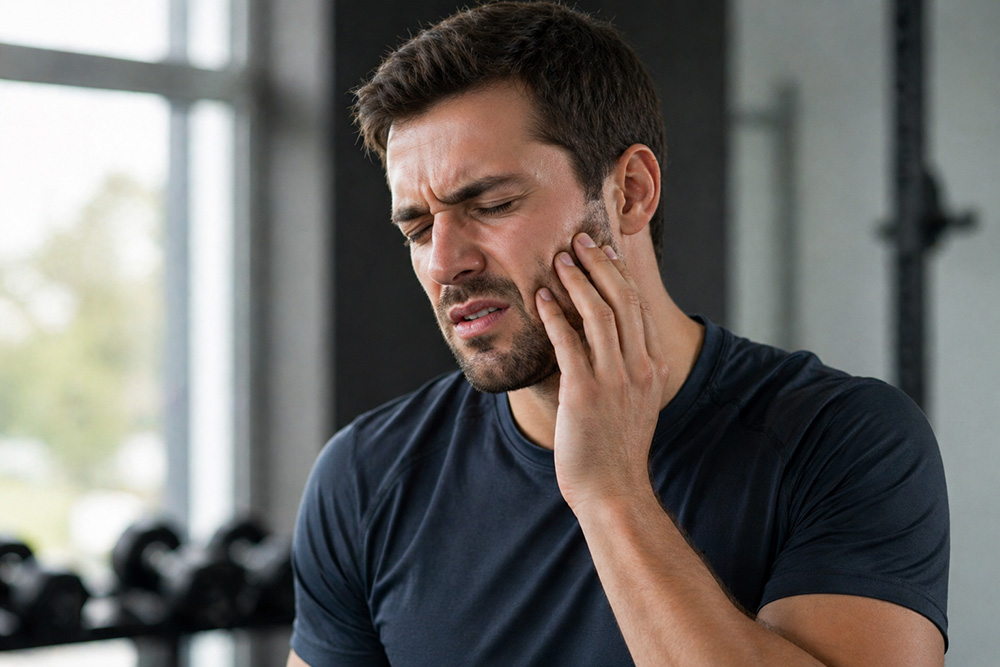
In the culture of high performance that defines Australian sport, the body is often treated as a finely tuned machine—monitored, conditioned, and optimised down to the smallest muscle group. Yet, hidden in plain sight, the jaw remains an underappreciated component of athletic health. The temporomandibular joint, a small but complex hinge connecting the skull to the lower jaw, rarely enters mainstream conversations about injury prevention. However, for many athletes, a TMJ disorder is not just a dental concern—it is a performance issue with far-reaching consequences.
The temporomandibular joint (TMJ) is one of the most frequently used joints in the human body. It governs essential movements such as speaking, chewing, and even breathing patterns. In athletes, this joint is subjected to additional strain due to clenching, impact, and stress responses. Whether it’s a rugby player bracing for collision, a weightlifter grinding through a heavy lift, or a long-distance runner unconsciously tightening their jaw under fatigue, repetitive stress can quietly accumulate.
What makes TMJ disorders particularly insidious is their subtle onset. Symptoms often begin as mild discomfort—clicking sounds, jaw tightness, or occasional headaches. Over time, however, these can evolve into chronic pain, restricted movement, and even referred pain in the neck and shoulders. In high-performance environments, these symptoms are frequently misattributed to general muscular tension or overlooked entirely in favour of more visible injuries.
Australian athletes, known for their resilience and grit, may be especially prone to ignoring early warning signs. The “push through the pain” mentality, while admirable in competition, can be detrimental when it comes to joint health. A TMJ disorder can compromise not only comfort but also biomechanics. The jaw plays a surprisingly integral role in posture and balance. Misalignment in the TMJ can cascade into broader musculoskeletal dysfunction, subtly affecting coordination, breathing efficiency, and even reaction time.
One of the lesser-discussed contributors to TMJ disorders in athletes is psychological stress. Competitive sport, particularly at elite levels, carries immense mental pressure. Stress-induced clenching and grinding (bruxism) often occur unconsciously, especially during sleep. Over time, this constant tension places excessive load on the TMJ, accelerating wear and inflammation. In this sense, TMJ disorders sit at the intersection of physical and psychological health—a reminder that performance is never purely physical.
Another critical but overlooked factor is equipment. While mouthguards are standard in contact sports across Australia, their design and fit can significantly influence jaw positioning. Poorly fitted mouthguards may inadvertently exacerbate TMJ strain by altering the natural bite. Conversely, custom-fitted appliances can provide not only protection but also stabilisation, reducing unnecessary stress on the joint. This highlights an opportunity for dental professionals to play a more active role in sports medicine.
The conversation becomes even more complex when considering long-term health implications. Chronic inflammation and tissue stress in the oral region can create an environment where more serious conditions may go unnoticed. While a TMJ disorder itself does not cause oral cancer, persistent oral discomfort may mask early warning signs such as unexplained sores, lumps, or changes in tissue. For athletes who are accustomed to tolerating pain, this overlap can delay diagnosis and intervention. Vigilance, therefore, is essential—not only for performance but for overall health.
In Australia, where outdoor training and sun exposure are part of the sporting lifestyle, awareness of oral health risks becomes even more important. Dehydration, dietary habits, and high-energy supplements can also influence oral conditions, compounding the effects of TMJ strain. The mouth, often treated as separate from the rest of the body, is in reality deeply interconnected with systemic health.
Addressing TMJ disorders in athletes requires a multidisciplinary approach. Dentists, physiotherapists, sports physicians, and coaches must collaborate to recognise and manage symptoms early. Screening for jaw dysfunction should become as routine as checking for muscle imbalances or joint instability. Simple interventions—such as jaw relaxation techniques, bite assessments, and stress management strategies—can make a significant difference.
Education is equally crucial. Athletes at all levels, from weekend warriors to elite professionals, need to understand that jaw pain is not a trivial issue. Incorporating oral health into training programs and recovery protocols can help shift the narrative. Just as hydration, nutrition, and sleep are prioritised, so too should the health of the temporomandibular joint.
There is also a broader cultural shift required within the Australian fitness landscape. The ideal of toughness must evolve to include self-awareness and preventative care. Recognising a TMJ disorder as a legitimate athletic concern does not diminish resilience—it enhances longevity. Athletes who listen to their bodies, including the subtle signals from the jaw, are better equipped to sustain peak performance over time.
Ultimately, the story of TMJ disorders in athletes is one of visibility. It challenges the assumption that only large, obvious injuries matter. It invites a more holistic view of the body—one where even the smallest joints are given due attention. In doing so, it opens the door to improved performance, reduced injury risk, and a deeper understanding of what it truly means to be fit.
In the pursuit of excellence, nothing should be overlooked—not even the quiet hinge that holds so much together.